
The Kenyan construction landscape is a theater of rapid transformation, characterized by ambitious infrastructure projects and a burgeoning real estate sector. In this dynamic environment, the methodologies of yesterday are being systematically challenged by the efficiencies of tomorrow. The conventional approach to concrete work—reliant on stationary batching plants, a fleet of transit mixers, and significant manual labor—is increasingly being revealed as a logistical and economic bottleneck.
It is within this context that the self loading cement mixer is not merely arriving on the scene; it is fundamentally disrupting it. To dismiss this machine as just another piece of equipment is to misunderstand its profound implications. Its growing prevalence is not a fleeting trend but a rational and decisive shift towards a more autonomous, cost-effective, and agile model of construction, perfectly attuned to the unique demands of the Kenyan market.
Demolishing Logistical Inefficiencies: The All-in-One Solution
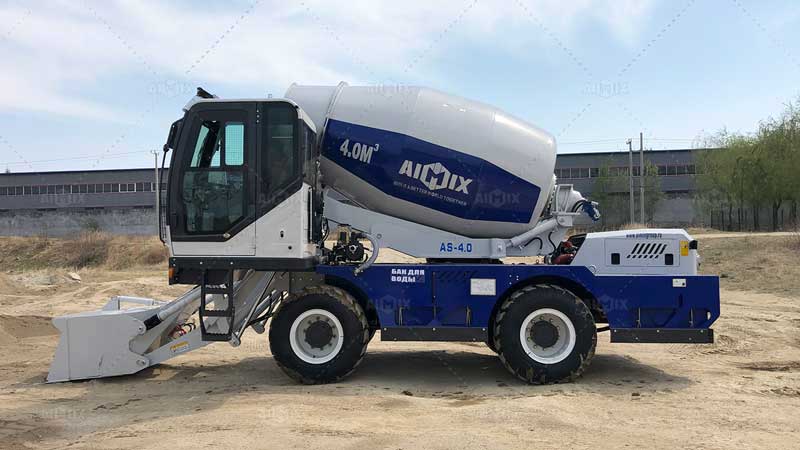
The most compelling argument for the self-loading mixer lies in its radical consolidation of the concrete production process. It renders an entire ecosystem of machinery and coordination redundant.
Unshackling from the Ready-Mix Dependency
Reliance on ready-mix concrete from off-site plants imposes a rigid and vulnerable schedule upon a project. Builders are held hostage to delivery timelines, traffic conditions, and the minimum order quantities of large suppliers. A single delayed truck can cascade into a day’s worth of lost labor and postponed critical path activities. The self loading mixer in Kenya annihilates this dependency. It empowers the builder to become the producer, deciding precisely when and where concrete is needed. This sovereignty over the production schedule eliminates the costly idle time of workers waiting for deliveries and provides the flexibility to respond to unforeseen project developments with immediacy that the traditional model cannot match.
The Economic Logic of Operational Consolidation
From a purely financial perspective, the consolidation is transformative. The capital and operational costs of a wheel loader, a stationary mixer, and the associated labor are collapsed into a single machine operated by one person. The logistical footprint of a concrete pour shrinks dramatically. There is no longer a need to maintain a large, clear area for multiple trucks to maneuver and wait. This is a critical advantage on the confined urban sites that are commonplace in Nairobi, Mombasa, and other growing municipalities. The reduction in fuel consumption for multiple vehicles, combined with the elimination of the premium cost of ready-mix, creates a compelling and rapid return on investment that directly enhances a project’s bottom line.
Mastering the Kenyan Terrain: Unmatched Versatility and Access
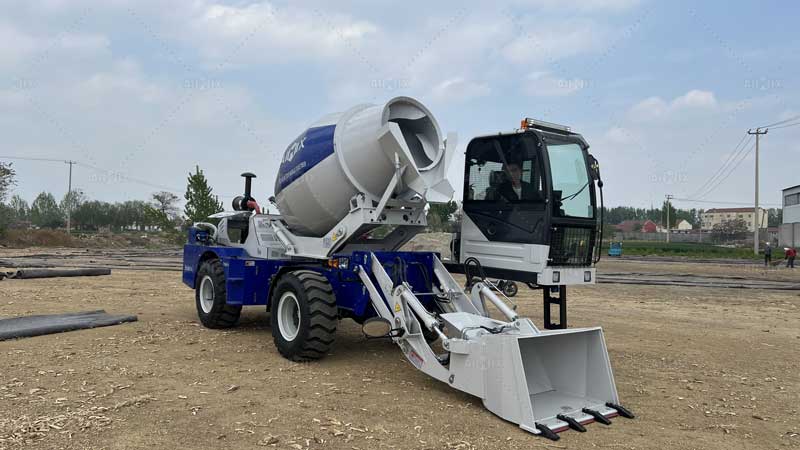
Kenya’s diverse topography, from challenging rural access roads to densely packed urban centers, demands equipment that is not just powerful, but also exceptionally adaptable. The self-loading mixer is engineered for this very purpose.
Conquering Remote and Rugged Project Sites
For infrastructure projects in remote areas—rural road development, water reservoir construction, or bridge works in the Rift Valley—transporting concrete over long, poor-quality roads is often impractical and economically unviable. The quality of the concrete degrades during transit, and the cost of mobilizing a traditional concrete supply chain is prohibitive. A self-loading mini concrete mixer for sale can be driven to these sites, producing high-quality concrete directly where it will be placed, using locally sourced aggregates and water. This capability to operate off-grid opens up new possibilities for development in previously underserved regions, making previously marginal projects feasible.
Navigating the Constraints of the Urban Fabric
In the urban context, the challenges are different but equally formidable. Tight sites, limited access, and noise and traffic restrictions make the constant coming and going of large concrete trucks a major disruption. The self-loading mixer’s compact dimensions and four-wheel drive capability allow it to navigate narrow alleys and set up in remarkably small spaces. It can produce concrete on-site in a controlled manner, minimizing community disruption and adhering to local ordinances that might restrict the operating hours of large, noisy delivery trucks. This urban-friendly profile is becoming a decisive factor for builders who need to maintain good relations with neighboring businesses and residents.
The Paradigm Shift: From Labor-Intensive to Technologically Empowered
Beyond logistics and access, the self-loading mixer represents a fundamental shift in the skill set and productivity of the construction workforce, addressing one of the industry’s most persistent challenges.
Augmenting Human Skill with Automated Precision
The machine’s integrated computer system manages the water-to-cement ratio with a level of precision unattainable through manual batching. This ensures every batch meets the specified design strength, directly addressing the issue of variable concrete quality that can plague projects reliant on manual mixing. The operator is elevated from a laborer to a machine commander, managing the entire process from the climate-controlled cabin. This technological augmentation reduces physical strain, enhances safety, and produces a superior, more consistent end product, thereby reducing the risk of structural defects and future liabilities.
Addressing the Skilled Labor Shortage
The construction industry in Kenya, like many others, faces a shortage of highly skilled labor. The self-loading large cement mixer effectively encapsulates complex batching and mixing expertise within its automated systems. With proper training, a capable operator can manage the entire concrete production process, reducing the project’s reliance on a large crew of specialized workers. This mitigates a significant operational risk and creates a more stable, efficient, and technologically adept work environment. It is not a replacement for skilled builders, but a force multiplier that allows them to achieve more with greater consistency and control. The argument is clear: for the modern Kenyan builder seeking to overcome logistical chaos, conquer challenging sites, and build with superior quality and efficiency, the self-loading concrete mixer is not just an option; it is an imperative.