
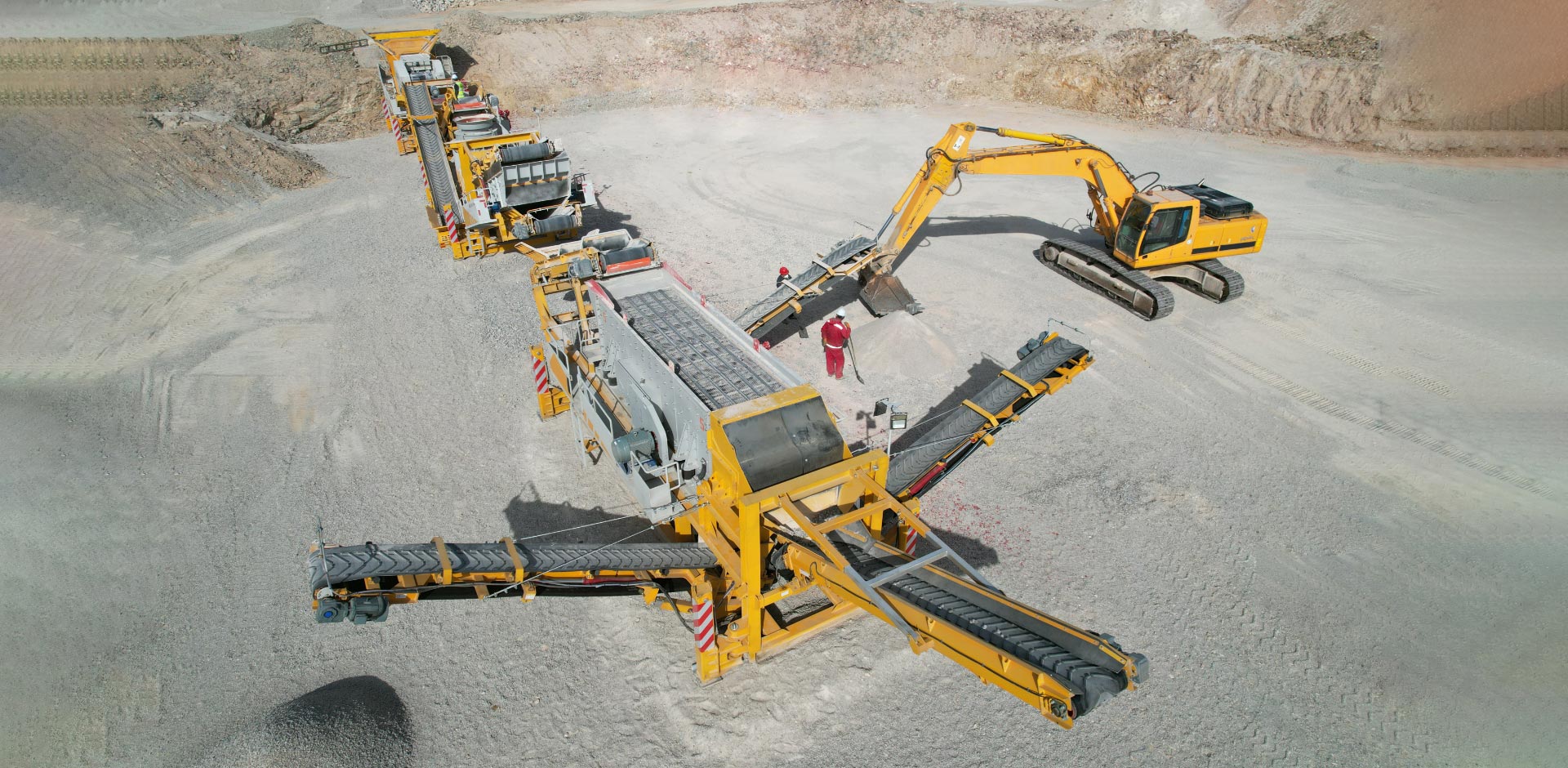
Operating a stone crusher plant is a demanding yet essential task in Latin America’s booming construction and mining sectors. From large-scale infrastructure projects to local roadworks, these plants are the backbone of material production. However, the powerful machinery involved—capable of processing massive volumes of rock—inherently carries significant risks. Prioritizing safety is not just a regulatory requirement; it’s a fundamental commitment to worker well-being and operational continuity. This guide outlines key safety protocols tailored for the Latin American context, ensuring your stone crusher plant(planta trituradora de piedra) runs both safely and productively.
The Critical Importance of Safety in Crusher Operations
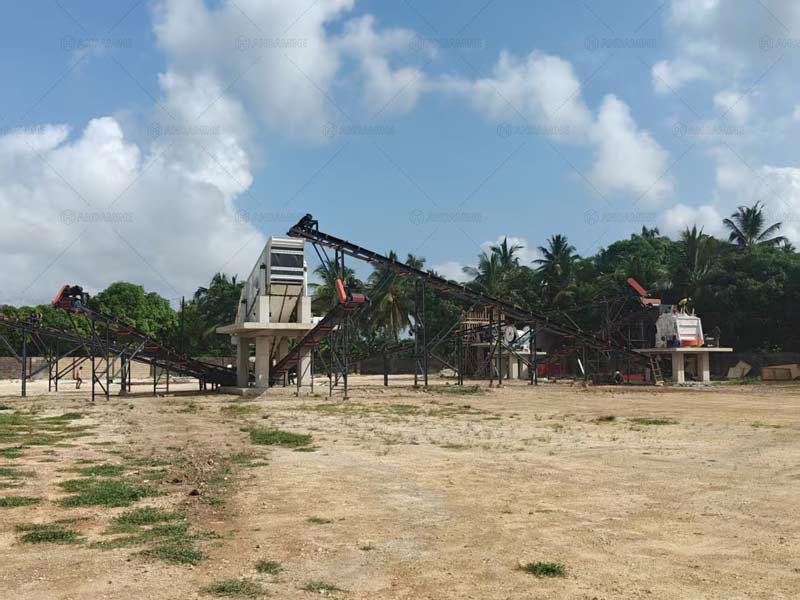
Whether dealing with a fixed installation or a versatile mobile stone crusher plant(planta trituradora de piedra móvil versátil), the potential hazards are similar: flying debris, excessive noise, dust, and mechanical failures. In regions like Chile, with its diverse geography from the Atacama Desert to the Andes mountains, operational conditions can change rapidly, making safety protocols even more vital. A strong safety culture directly reduces downtime, avoids costly accidents, and protects your most valuable asset: your team.
Comprehensive Training and Operator Knowledge
Thorough, ongoing training is the cornerstone of safety. All personnel, from operators to maintenance crews, must understand the specific model of stone crusher plant they are handling. Training should go beyond basic operation to include hazard identification, emergency shutdown procedures, and safe maintenance practices. It’s crucial to consider local language and literacy levels, ensuring instructions are understood by all. Regular refresher courses help ingrain safety as a daily habit.
Mandatory Use of Personal Protective Equipment (PPE)
Enforcing PPE usage is non-negotiable. The minimum required gear includes:
- Safety Helmet: Protects from falling objects.
- Safety Glasses/Goggles: Shields eyes from dust and fragments.
- High-Visibility Vest: Ensures visibility on site.
- Hearing Protection: Guards against prolonged noise exposure from crushers and screens.
- Sturdy Safety Boots: Prevents foot injuries from heavy materials.
- Dust Respirator: Essential in enclosed or dusty areas to protect lung health.
Supervisors must lead by example and ensure PPE is worn correctly and consistently.
Key Safe Operation Procedures
Rigorous Pre-Start Inspection and Preventive Maintenance
A detailed checklist must be completed before each shift. Inspect crusher jaws/liners, conveyor belts for wear or misalignment, screen cloths, and safety guards. Check fluid levels and look for leaks. In the demanding environment of a stone crusher plant Chile(planta chancadora de piedra Chile), where abrasive materials are common, wear parts degrade faster. A proactive maintenance schedule based on machine hours and material type is far cheaper than emergency repairs and prevents catastrophic failures.
Controlled Operation and Constant Monitoring
Operators must never leave running equipment unattended. They should monitor:
- Ammeters/Crusher Load: Overloading indicates a problem.
- Unusual Noises or Vibrations: Often the first sign of mechanical issues like a loose liner or unbalanced rotor.
- Product Size and Shape: Sudden changes can signal worn parts or incorrect settings.
If any abnormality is detected, the operator must stop the feed and shut down the plant according to procedure to investigate.
Safe Material Handling Practices
Never manually clear a blockage or perform adjustments on running equipment. Follow strict Lockout/Tagout (LOTO) procedures: isolate all energy sources (electrical, hydraulic) before any intervention. Ensure feed material is within the crusher’s specified size limit to prevent jams. Keep walkways and work areas clear of slurry and tripping hazards. Proper housekeeping is a critical, yet often overlooked, aspect of daily safety.
Special Safety Considerations for Mobile Stone Crusher Plants
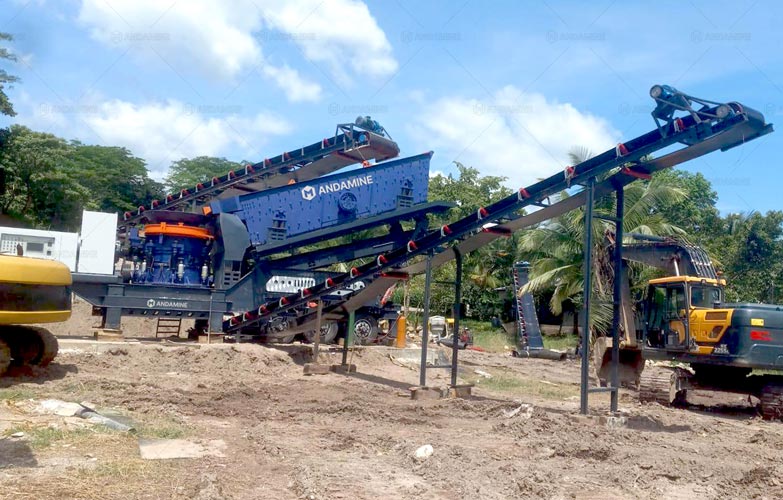
The flexibility of a mobile stone crusher plant is a major advantage for contractors across Latin America, but it introduces unique safety challenges.
Safe Positioning and Stabilization
Always set up the plant on firm, level ground. Use outriggers and blocking pads as specified by the manufacturer. Never operate on a slope without proper engineering assessment. The setup area should be clear of overhead power lines and have adequate space for safe operation and material stockpiling.
Secure Transportation Between Sites
Before moving, ensure all components are secured: retract conveyors, lock crusher mechanisms, and fasten access doors. Comply with local road transport regulations regarding width, height, and weight. The transport operator must be aware of the vehicle’s dimensions and planned route.
Site-Specific Risk Assessment for Each New Location
Every new site presents unique risks. Conduct a formal assessment considering:
- Terrain and Ground Conditions: Risk of slippage or subsidence?
- Proximity to Public Areas or Other Workers: Need for additional barriers or signage?
- Weather Patterns: Exposure to high winds, lightning, or flash floods?
- Local Wildlife or Vegetation: Any specific environmental precautions?
Mitigate identified risks before starting work.
Conclusion: Safety Drives Success
Operating a stone crusher plant safely in Latin America demands diligence, proper training, and unwavering adherence to protocols. From enforcing PPE to conducting meticulous pre-operational checks and respecting the specific needs of mobile plants, each step builds a safer, more productive operation. While the initial stone crusher price(trituradora de piedra precio) is a key investment factor, the long-term cost of an accident—human, financial, and reputational—is infinitely higher. By embedding safety into the core of your operations, you protect your team, your equipment, and ultimately, your project’s success and profitability. A safe site is an efficient and profitable site.