
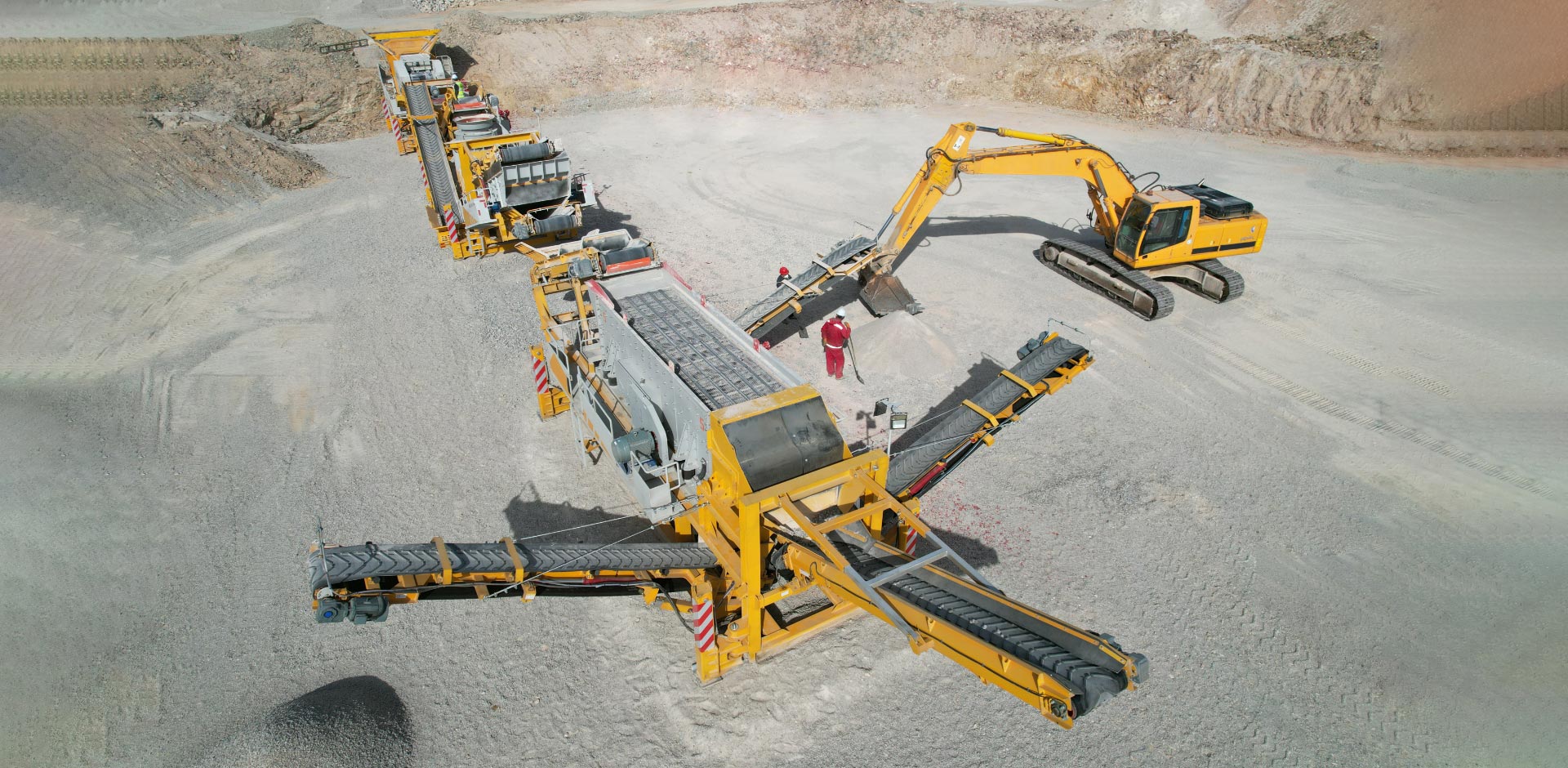
Aggregate crushing machines are essential equipment in the construction, mining, and infrastructure industries. They process raw materials such as rocks, cobblestones, marble, and other aggregates into usable sizes for construction projects. However, operating these machines involves significant safety risks, including mechanical hazards, dust exposure, noise, and the potential for material-related injuries. Implementing strict safety protocols and risk management strategies is essential to protect workers, ensure operational efficiency, and comply with regulations. This article explores these aspects while also considering specialized equipment such as marble crushers, cobblestone crushers, and working with stone crusher suppliers.
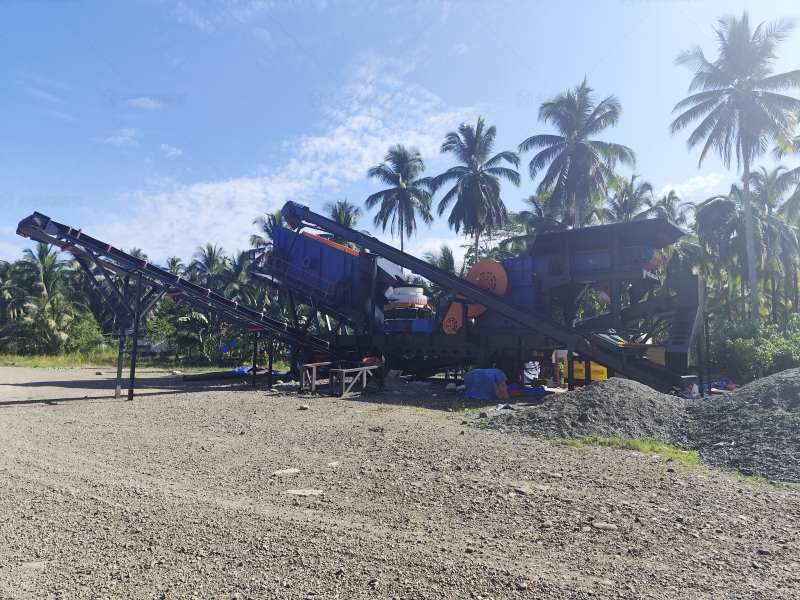
Understanding the Risks in Aggregate Crushing Operations
Crushing operations present multiple hazards. Common risks include:
Mechanical Hazards: Crushers contain moving parts, including jaws, cones, and rotors, which can cause crushing, entanglement, or amputations if safety measures are ignored.
Flying Debris: Stones, cobblestones, and marble fragments can be ejected from the crusher, posing a threat to operators and nearby workers.
Dust Exposure: Fine particulate matter generated during crushing can lead to respiratory problems if not properly controlled.
Noise Pollution: Crushers generate high decibel levels, which can affect hearing over time.
Electrical and Hydraulic Hazards: Malfunctioning motors, hydraulic systems, or improper wiring can cause shocks, burns, or fire.
Ergonomic and Fatigue Risks: Continuous monitoring, feeding, and handling of heavy materials can lead to musculoskeletal injuries.
Safety Protocols for Aggregate Crushing Machines
To mitigate these risks, companies must implement comprehensive safety protocols. Key measures include:
Personal Protective Equipment (PPE): Operators and workers should wear hard hats, safety glasses, ear protection, gloves, steel-toed boots, and dust masks or respirators. Proper PPE is crucial when operating marble crushers, cobblestone crushers, or standard aggregate crushers.
Machine Guards and Barriers: Physical barriers around moving parts, feed chutes, and discharge points prevent accidental contact with machinery. Emergency stop buttons should be easily accessible at multiple locations.
Training and Certification: Operators must receive proper training on crusher operation, maintenance, and emergency procedures. Understanding the differences between marble crushers, cobblestone crushers, and other aggregate crushing machines ensures safe handling of materials with varying hardness and fracture characteristics.
Lockout/Tagout (LOTO) Procedures: Before maintenance or repair, machines should be fully de-energized and locked out to prevent accidental startup. This is particularly important when cleaning, replacing wear parts, or performing inspections.
Material Handling Safety: Workers should avoid overloading crushers and follow proper feeding techniques. Automated feeding systems and conveyors can reduce direct contact with raw materials.
Dust and Noise Control: Installing dust suppression systems such as water sprays, extraction fans, and enclosed conveyors reduces inhalation hazards. Noise-reducing enclosures and earmuffs protect hearing during prolonged operations.
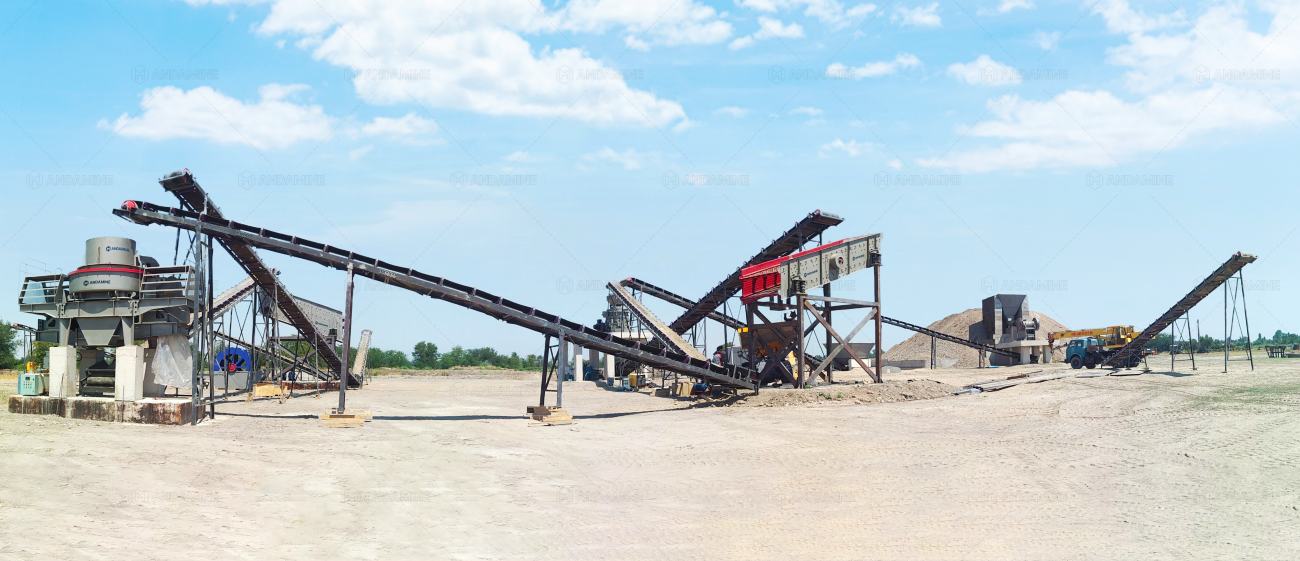
Risk Management Strategies
Safety protocols should be complemented by broader risk management strategies. Key approaches include:
Regular Inspections and Maintenance: Working with a reputable stone crusher supplier ensures access to maintenance schedules, wear parts, and expert guidance. Regular inspection of belts, hoppers, motors, and hydraulic systems prevents unexpected failures and accidents.
Operational Monitoring: Modern crushers are equipped with sensors to monitor temperature, vibration, and load levels. Monitoring these parameters helps predict potential malfunctions and reduces the risk of accidents.
Emergency Preparedness: Clearly marked emergency exits, first-aid stations, and fire extinguishers are essential. Workers should be trained in first aid, fire response, and emergency evacuation.
Risk Assessments: Conducting periodic risk assessments identifies potential hazards unique to each operation, whether it involves a marble crusher producing fine, fragile material or a cobblestone crusher handling large, uneven stones. Risk mitigation plans can then be tailored accordingly.
Compliance with Regulations: Adhering to local occupational safety and health standards ensures legal compliance and fosters a culture of safety. OSHA guidelines, ISO standards, and regional mining regulations often dictate mandatory measures for aggregate crusher operations.
Special Considerations for Marble and Cobblestone Crushers
Marble is a softer, brittle material that may fracture unexpectedly, creating sharp shards. Operators of marble crushers should be particularly cautious about feed rates, shielding, and dust control.
Cobblestones, on the other hand, are larger and denser, requiring robust cobblestone crushers with reinforced structures. Crushing these materials increases the risk of flying debris, making barriers, PPE, and controlled feeding even more critical.
Working Effectively with Stone Crusher Suppliers
A reliable stone crusher supplier can assist in improving safety and risk management. Suppliers provide:
-
Guidance on proper machine selection based on material type and project scale.
-
Recommendations for safety features and guarding systems.
-
Access to spare parts and maintenance services, ensuring consistent machine performance.
-
Operator training programs and technical support for safe machine operation.
Conclusion
Aggregate crushing machine operations, whether involving general aggregates, marble crushers, or cobblestone crushers, carry inherent risks that require comprehensive safety protocols and risk management strategies. Using PPE, proper machine guarding, training, dust and noise control, and regular maintenance reduces accidents and improves operational efficiency. Partnering with experienced stone crusher suppliers further enhances safety, ensuring access to quality equipment, spare parts, and technical support.
By prioritizing safety and risk management, companies can protect their workforce, comply with regulations, and maintain consistent production, ultimately achieving safer and more efficient aggregate crushing operations across all project types.